
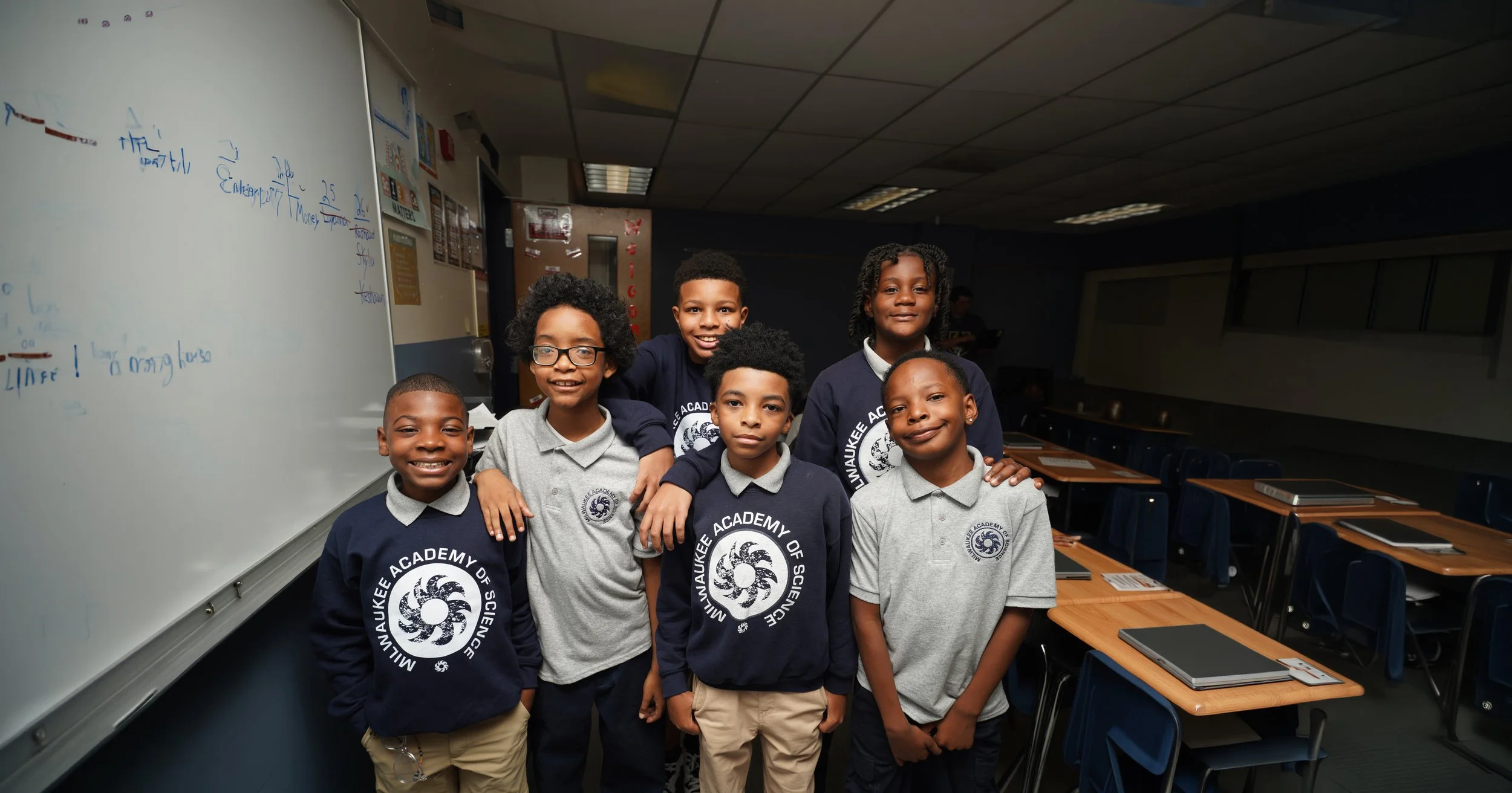
Program pillars
Academic Enrichment and Support
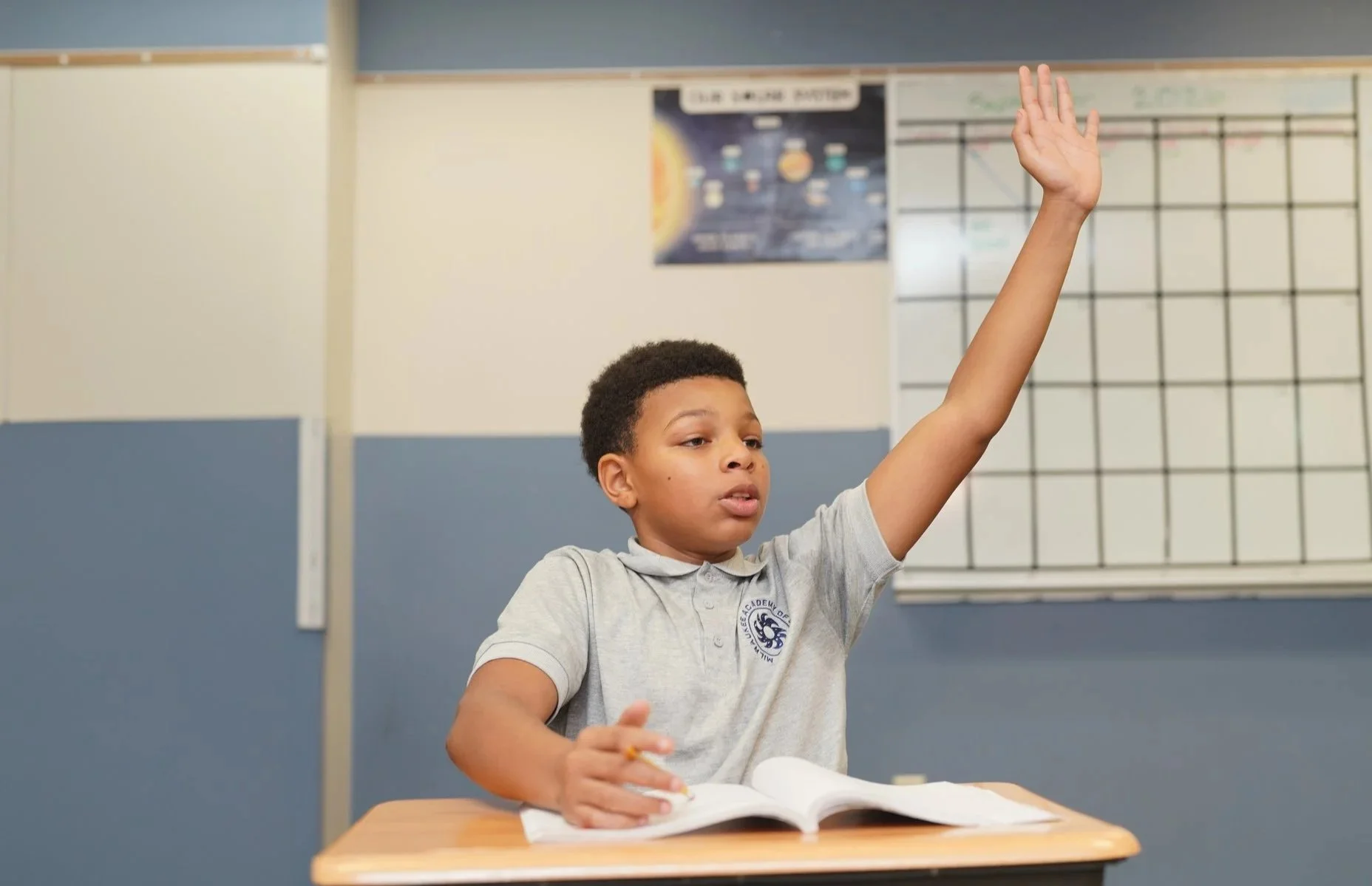
Dream Scholars receive tutoring, literacy and math coaching, and year-round learning activities that help them keep building skills between grades and across summers. Because every child in the classroom is a Dream Scholar, this support is part of the regular school day rather than a separate track a child is pulled into. Staff continuity matters here: when the adults working with a scholar already know how the scholar learns, instruction can be adjusted quickly rather than restarting each year. The work is paced for the milestones ahead — the move into middle school, the move into high school, and graduation.

Mentoring and Support Networks
Dream Scholars are matched with mentors who commit to a long-term trusting relationship. Mentors meet with scholars regularly, learn what each is working toward, and offer guidance as those goals evolve. Relationships also change. Mentors relocate, change jobs, or reach the end of what they can give, and family circumstances shift as well. The commitment, therefore, belongs to the program rather than to any single match: when a relationship ends, IHDF-MKE works to put another one in place so that the scholar is not left without a trusted adult connection. The intent is that a scholar arrives at milestone with a set of adults, built up over years, who know their history and can speak to their strengths.
Social-Emotional Learning & Life Skills
Dream Scholars practice skills they use every day: setting a goal, identifying more than one way to reach it, asking for help, recovering from a setback, and working through conflict. Wellness coaching and access to mental wellness support are available alongside this skill-building, and scholars develop self-advocacy at their own pace. The approach draws on hope science, which treats hope as a measurable and teachable skill — the ability to name a goal and see realistic paths toward it — rather than as a general attitude.
Family Partnership & Engagement
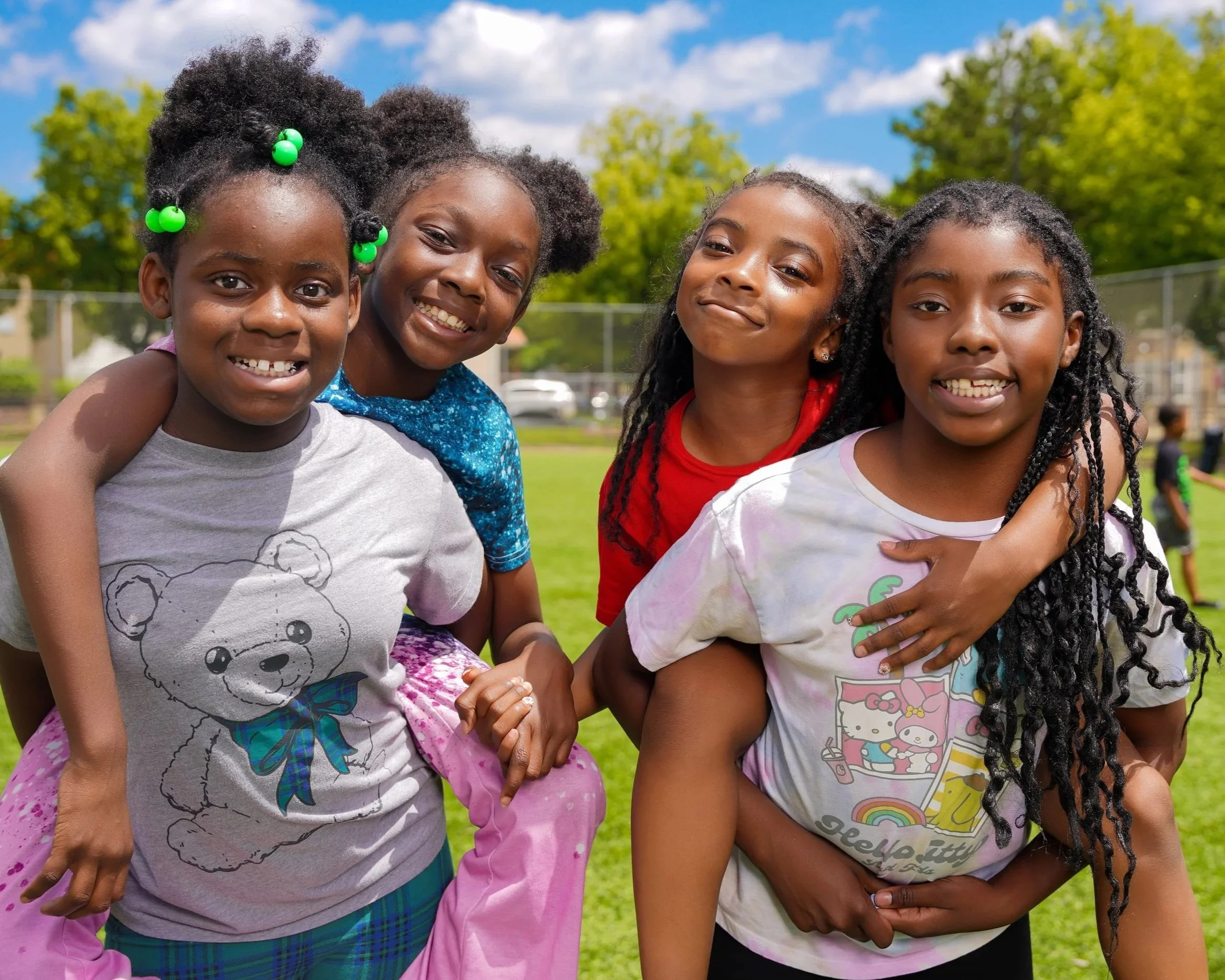
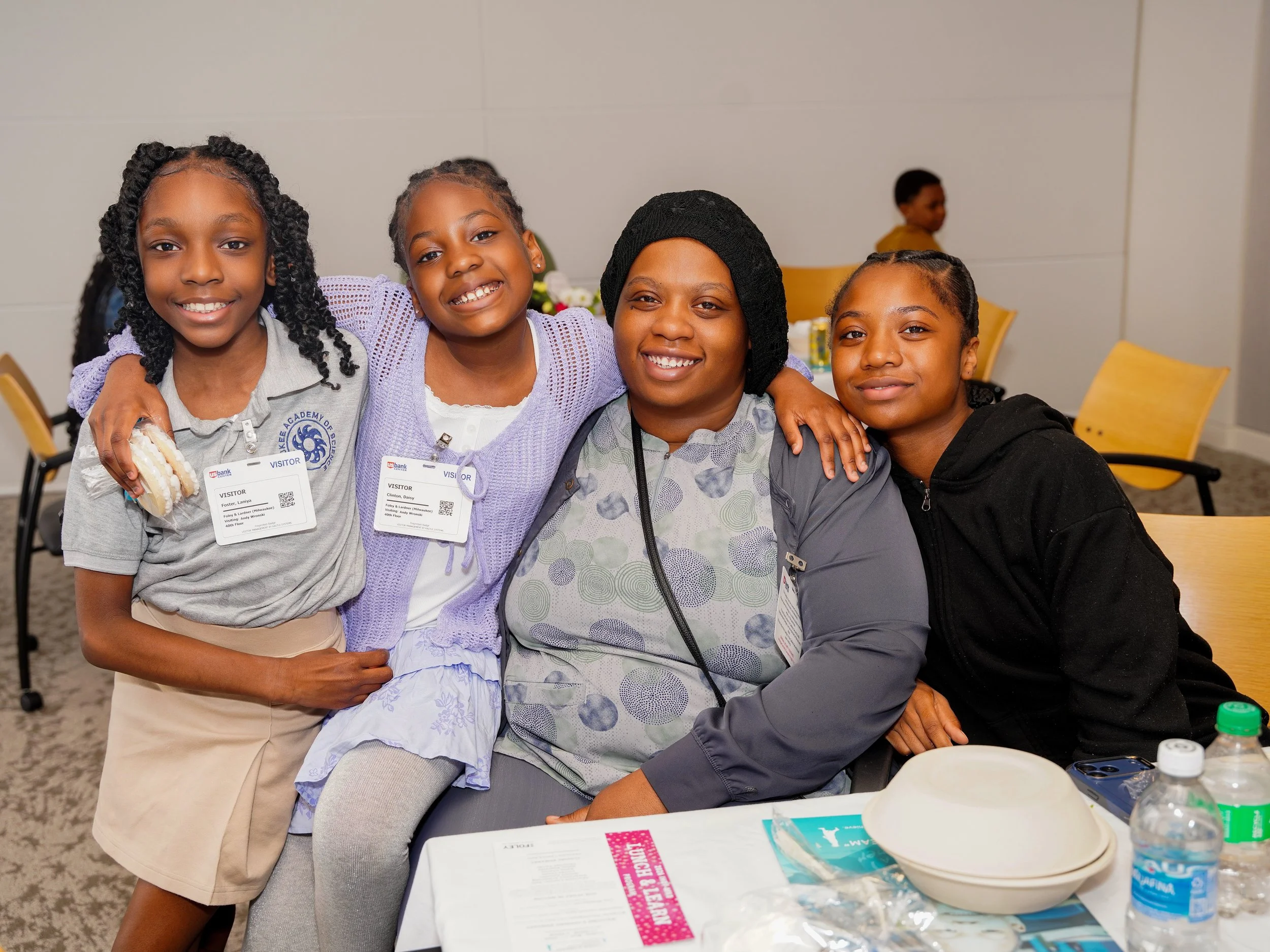
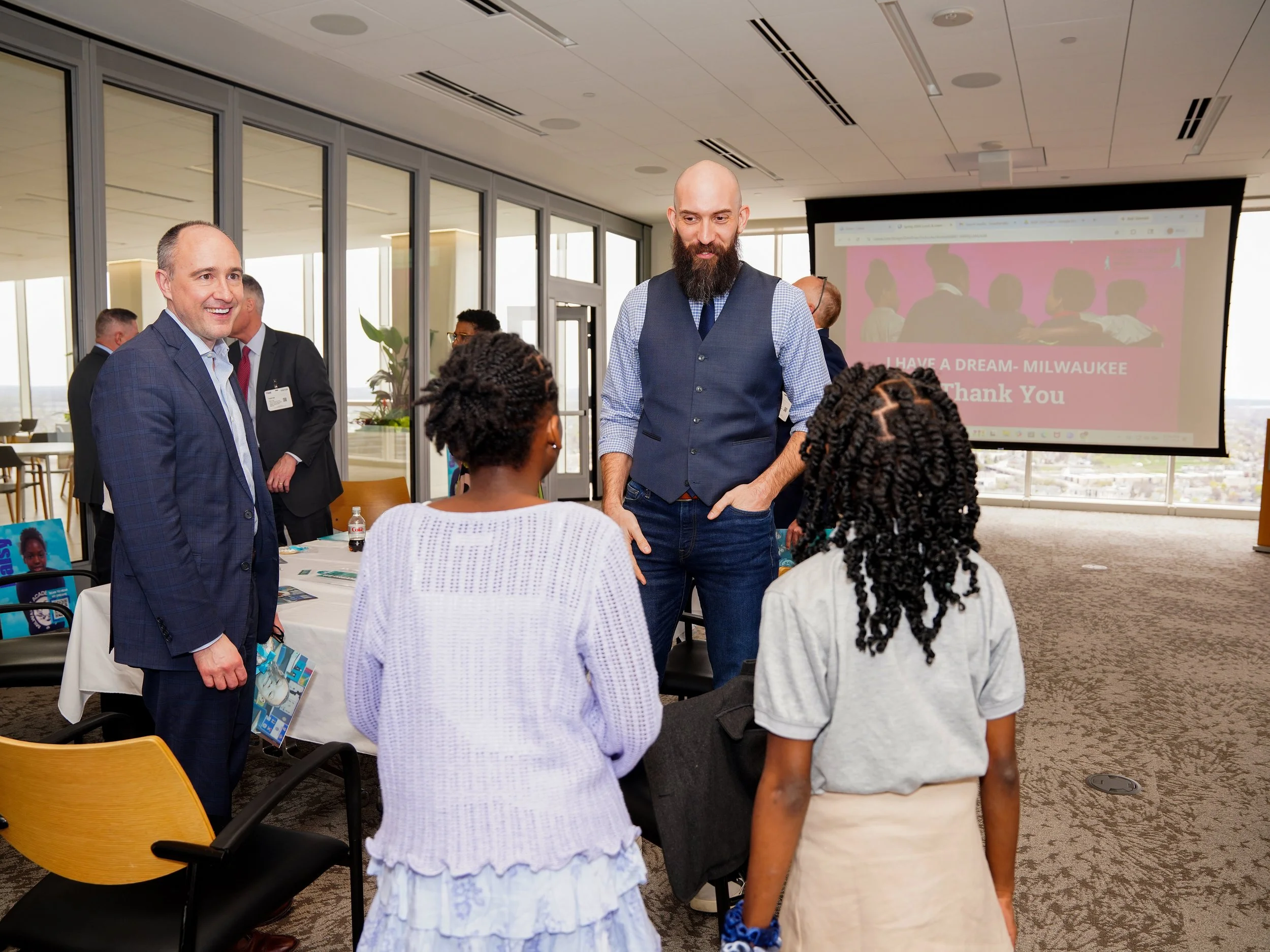
Parents and caregivers do the primary work of raising their children. The role of IHDF-MKE is to add capacity to that work, not to instruct families in how to do it. We partner with parents on school systems, grade transitions, resources, and advocacy, and we train our own staff to listen and follow through so that families are treated as partners rather than as an audience. Families hold information about their children that no assessment captures, and the program is built to use it.
Leadership, Civic Engagement & Service Learning
Dream Scholars are treated as contributors now, not after they graduate. Through service projects and leadership training, scholars identify a need in their community, plan a response, carry it out, and reflect on the result. In the process, they practice skills that transfer to school and work: running a meeting, speaking to adults, organizing peers, and finishing what they start. These are the same skills that support leadership roles in high school and after graduation.
Post-Secondary Preparation & Support
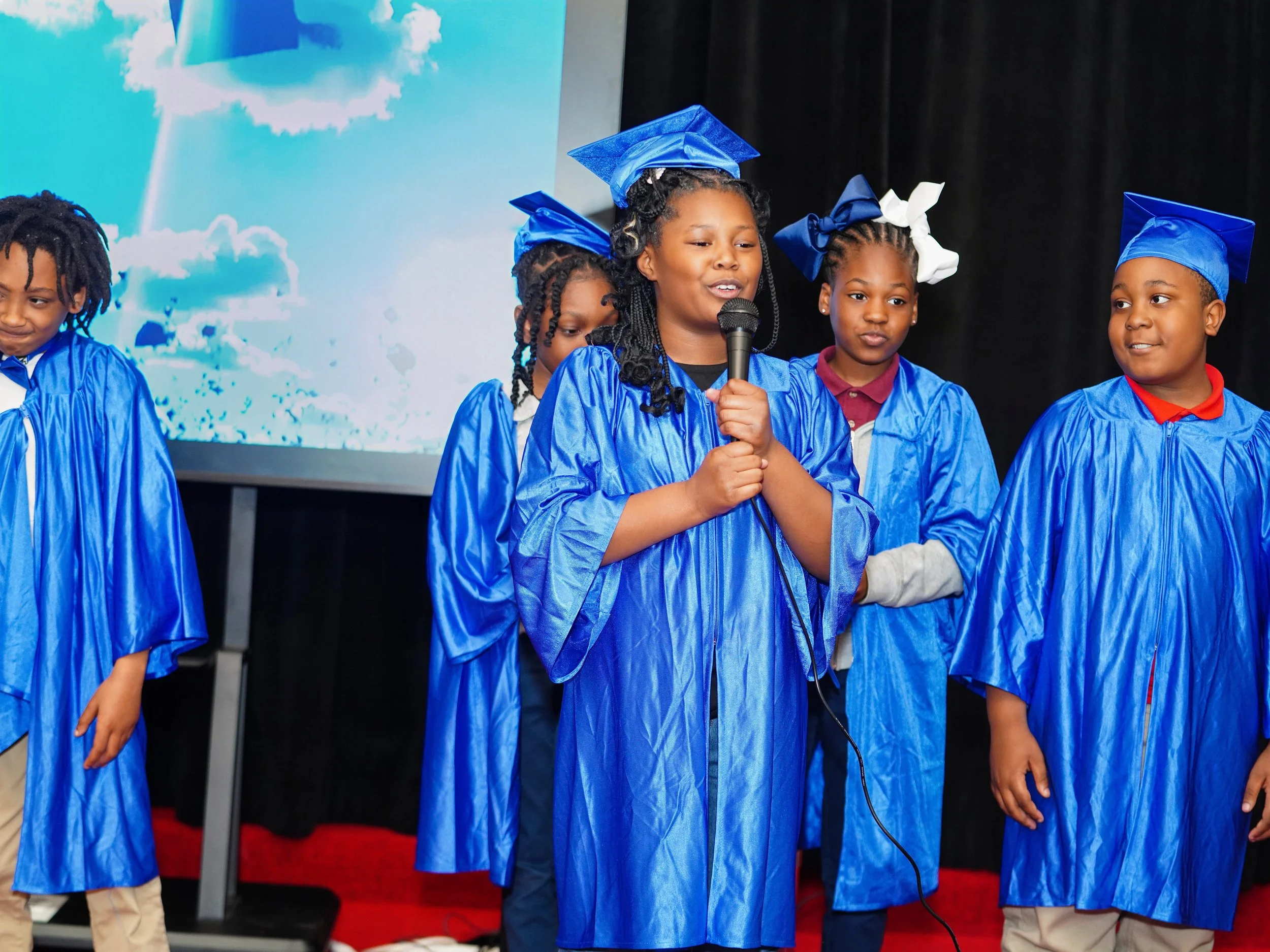
A guaranteed tuition scholarship for college, vocational school, or training addresses the cost question long before a scholar graduates from high school. This pillar mitigates the second barrier: navigating the tuition process. Scholars receive career-readiness support, financial-literacy instruction, and direct help with applications, financial aid forms, and enrollment steps. Support continues beyond graduation —when scholars are managing deadlines and unfamiliar systems for the first time. IHDF-MKE will be there.